
Sensor options
Matched to your monitor and application
If you need sensors in addition to your Intell-i-Watch monitor, Pan America can provide a wide variety of sensors to fit your monitoring project. See the sensor brochures for specific types and details.
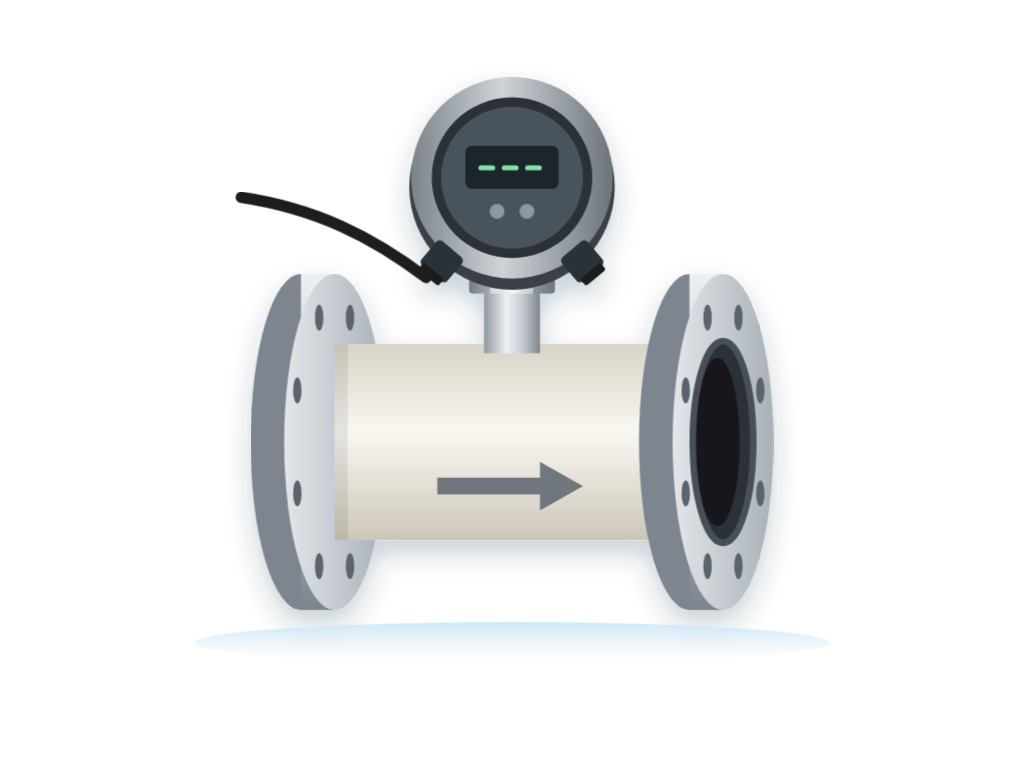
Flow
- Flow Sensor: Magmeter – Model FMMWater/fluids · Magnetic inductive (magmeter)
- Flow Sensor: Magmeter – Model eMAG212Water/fluids · Magnetic inductive (magmeter)
- Flow Sensor – Model FSWater/fluids/glycol/oils · Digital flow sensor
Also available – ask about:
- Flowmeters
- Flow sensor
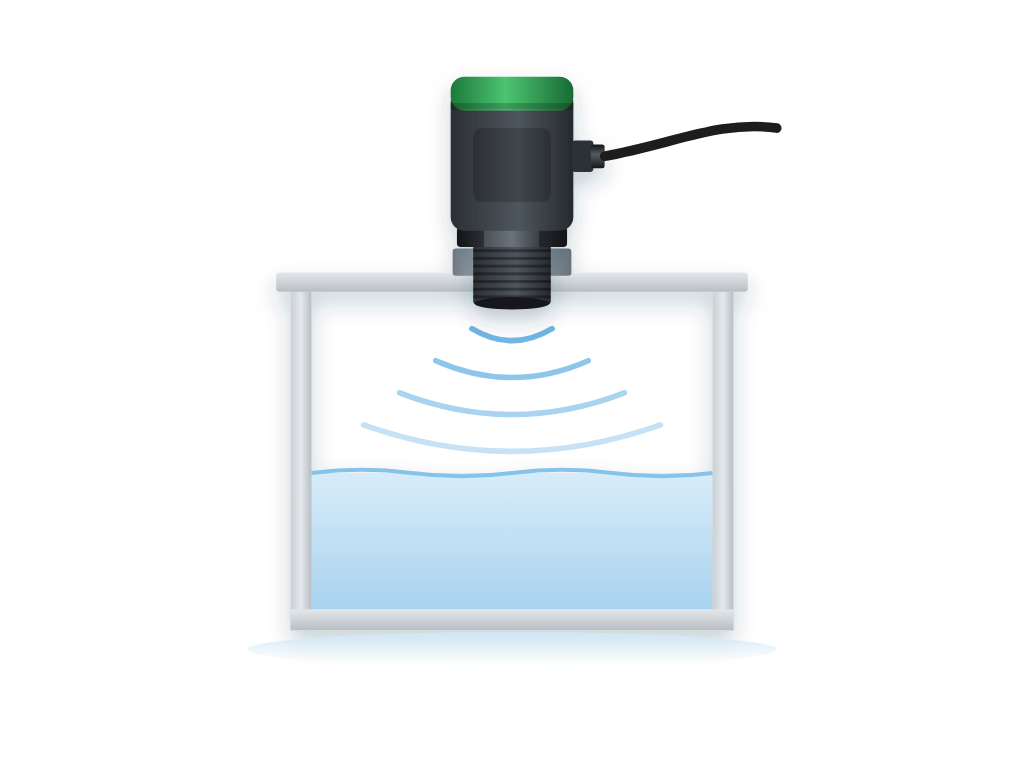
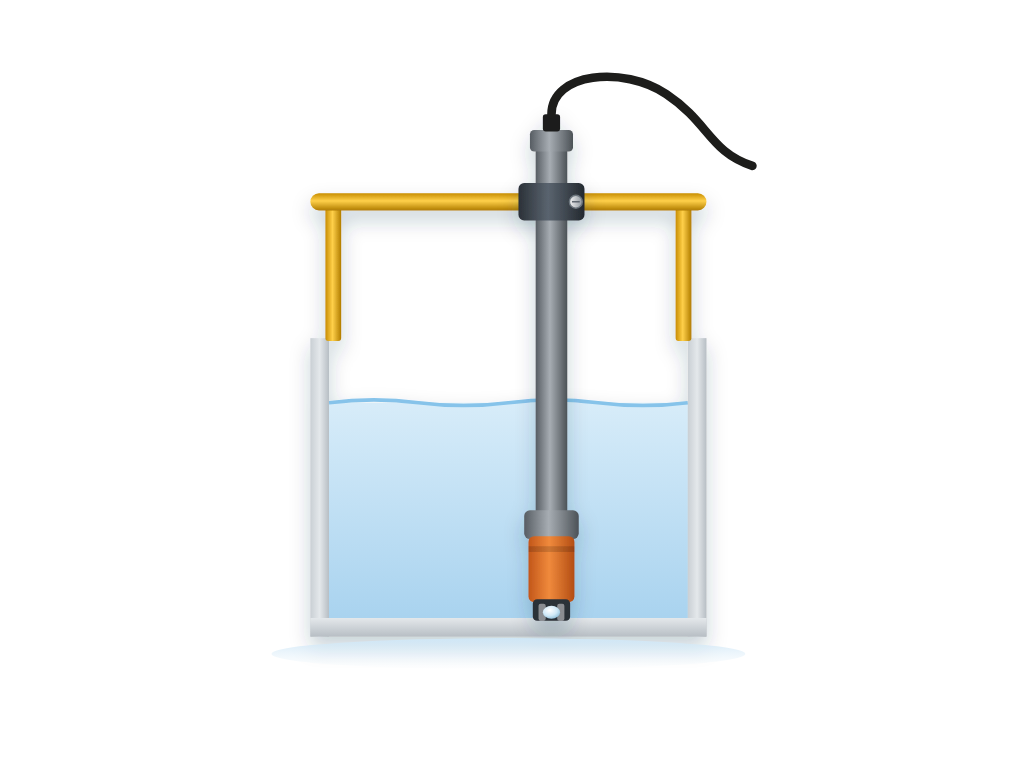
Level
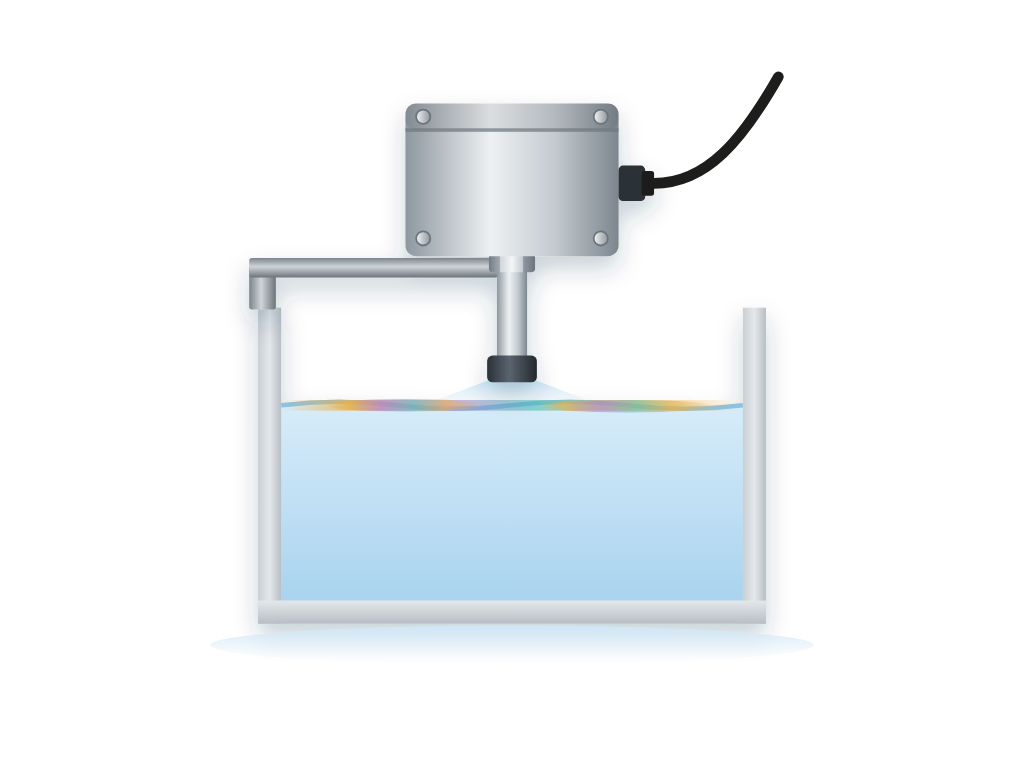
- Level Sensor: Ultrasonic – Model USL SeriesWater/fluids/storage and sludge tanks · Ultrasonic
- Level Sensor: Hydrostatic Level – Model HLT SeriesWater/fluids · Hydrostatic submersible level transmitter
- Level Sensor: Float Level Switch – Model FLS SeriesWater/fluids/chemicals, fuels, oils · Magnetic reed switch
- Level Sensor: Mechanical Float Switch – Model MFS SeriesWater/fluids/chemicals, fuels, oils, sludge · Mechanical switch
Also available – ask about:
- Sludge level
- Radar level
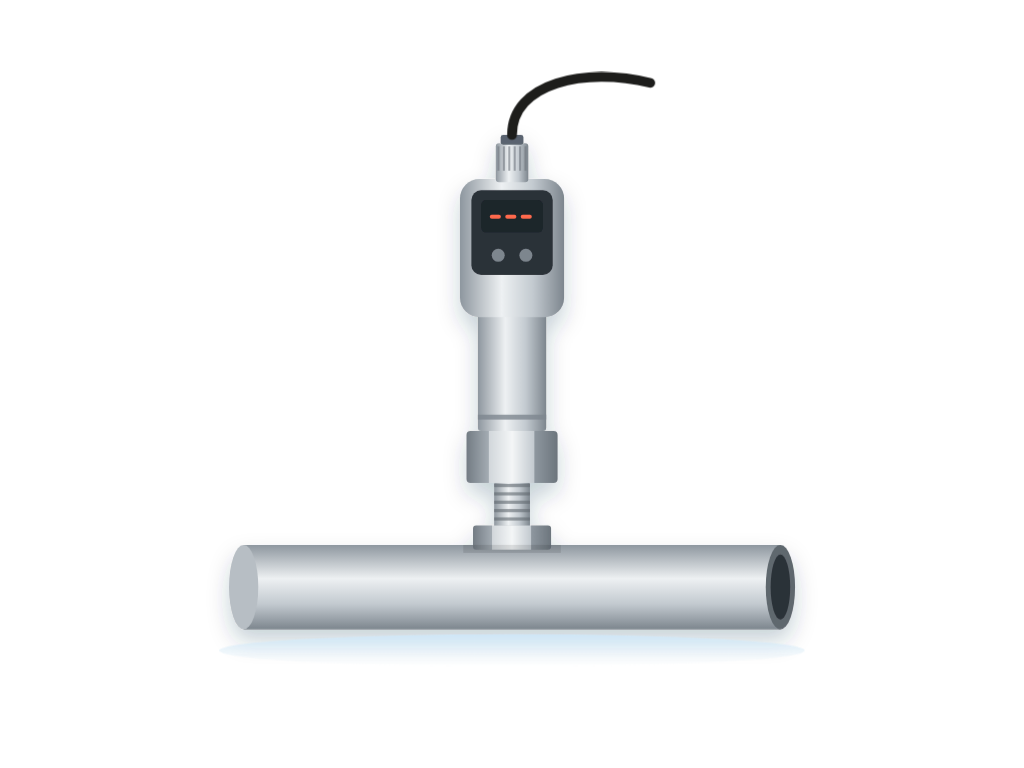
Energy
Also available – ask about:
- Voltage
- Load balance
- Transformers
- Power consumption
Water quality
Ask about:
- Turbidity
- TSS
- TDS
- DO
- Conductivity
- Water temperature
- Ion selective: phosphate, ammonia, metals, chlorine, color, ammonium, nitrites, chloride, fluoride
Conductivity
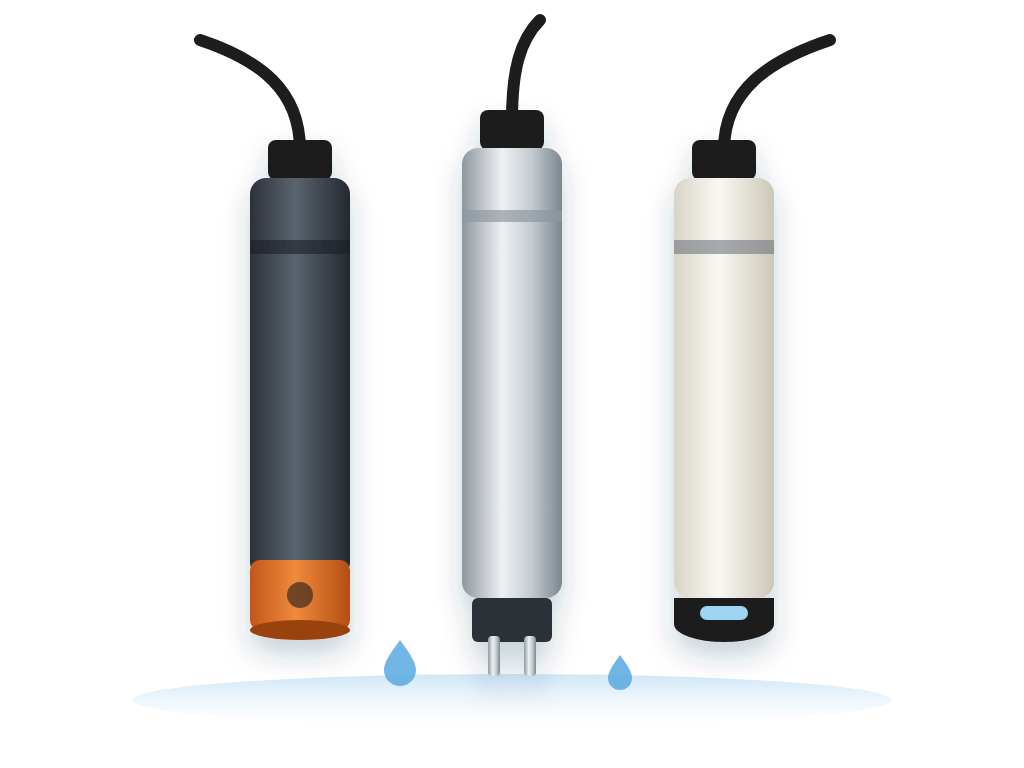
Conductivity is a direct measure of the concentration of ions in the water and reflects the ability to conduct electricity. It is often times linked directly to the total dissolved solids (TDS) in the water. For wastewater applications with lesser amounts of solids, flat surface probes with two surface electrodes can be typically used. For applications with higher amounts of contamination where corroding and fouling can occur, it would be advisable to employ a toroidal type conductivity sensor.
TDS
Total dissolved solids can be measured two ways: a laboratory (gravimetric) test, or a conductivity sensor whose reading is converted to ppm (mg/L). Use with the conductivity sensor.
DO (dissolved oxygen)
DO sensors are either of an electromechanical membrane design or of an optical luminescence methodology. Optical sensors come in a range of housing materials, some with wipers to keep the optical window clean and replaceable end-caps; a built-in temperature sensor adjusts for temperature changes.
Turbidity
Turbidity measurement is readily applied to measure the clarity of water and particularly with drinking water. It has also been used in wastewater treatment to measure the effectiveness in coagulation and flocculation treatments.
TSS: ask about TSS sensors for your application.
Ask about water quality sensors
Motors & machinery
Ask about:
- Vibration
- Rotation
- Temperature
- Current
- Load
Infrastructure
Ask about:
- Sluice gates
- Manway hatches
- Sewer covers
- Manhole level
Tell us what you need to monitor
We'll match a Watch model and sensors to your application. Call 262.716.0105 or send the details and we'll follow up with a recommendation and pricing.